
Even though your state may have its own unique rules, there are a couple of things you should include in your clients’ chart of accounts in order to easily comply with most record keeping requirements. It is critical to check with the Bar Association in your state to see if they allow General Retainers. Every item will now point to a Suspense general Retainer account for both income as well as expense. Typically it is not necessary to have more than one General Retainer account and not likely a good idea. If you plan to use QuickBooks Accounts Payable (A/P) for your Trust transactions, you should rename the AP account to “Operating A/P” so you can easily tell it apart from Trust A/P.
Trust Interest Payable
- Clear criteria for determining completion percentages, such as milestones like completing due diligence or signing contracts, are crucial for accurate revenue recognition.
- Your Chart of Accounts should include specific subcategories and accounts for client trust funds.
- It also simplifies the generation of financial statements, saving time and ensuring accuracy.
- Law firms must comply with all applicable tax regulations for their jurisdiction—such as income tax and payroll tax.
- If your clients refer clients to other professionals, they may receive referral income.
- Efficient billing and invoicing practices optimize cash flow and strengthen client relationships.
Regularly reviewing and updating the Chart of Accounts will enable law firms to stay agile and responsive to the ever-changing demands of the legal landscape. A tailored chart of accounts helps law firms adhere to IOLTA trust accounting standards and legal requirements. A well-organized Chart of Accounts is a vital tool for effective financial management in law firms. Ultimately, a robust Chart of Accounts will contribute to the growth and success of any law firm. This means taking steps to ensure data security (using legal accounting software that maintains robust security standards can help with this). Managing an organized law firm chart of accounts is crucial for maintaining your business’s overall financial health and meeting strict virtual accountant legal ethics requirements.
Expenses

In this blog post, we’ll delve into the importance of a Chart of Accounts for lawyers and provide some guidance on creating one tailored to your legal practice. Integrating your chart of accounts with CaseFox software streamlines financial management processes for your law firm. This integration offers automated data entry and synchronization, eliminating manual input and reducing errors.
- It facilitates streamlined bookkeeping, simplifies tax preparation, and ensures compliance with regulatory requirements.
- As an example, LawPay, an online payment platform built for lawyers, automatically enforces the separation of business and client funds throughout the billing and collection process.
- A law firm chart of accounts serves as a comprehensive list of all of a legal practice’s financial accounts.
- You can modify the chart of accounts in a generic accounting platform like Quickbooks Online.
Legal Accounting 101: Financial Tips for Long-Term Success
In the legal sector, meticulous financial management is paramount for adherence to regulations, expense tracking, and overall profitability. A well-structured Chart of Accounts is an essential tool in law firm accounting, providing an organized framework for recording and categorizing financial transactions. This blog post will delve into the nuances of the Law Firm Accounting Chart of Accounts, exploring its significance, structure, key components, and the importance of customization. Law firms also use a process of three-way reconciliation to check that their internal trust ledgers align with client trust ledgers and trust bank account statements. This reconciliation process may be completed manually, or with legal trust accounting software.
- From common accounting issues to watch out for to tips many law firms find effective for financial management, read on to explore the fundamentals you should know.
- Technology can make accounting processes—including setting up your law firm chart of accounts—easier, more efficient, and more accurate for law firms.
- Regularly reviewing and updating the Chart of Accounts will enable law firms to stay agile and responsive to the ever-changing demands of the legal landscape.
- Funds kept in trust must be held in a separate account from a law firm’s operating funds and must be held until they are earned from a specific client’s case.
- That’s just one feature of several that help you avoid inadvertent ethics violations.
Another unique aspect of having an IOLTA bank account is how the interest is handled. Because the interest on the IOLTA bank account doesn’t belong to the attorney, it should neither be entered as interest income when the funds are received nor interest expense when the money is paid to the state. Instead, the credit and debit should be marked as an interest payable account.

Once the setup is done, you need to set up your legal accounting software to track your finances. Most accounting software will allow you to import law firm chart of accounts your chart of accounts and customize it within the software. This number will make it easier to reference specific accounts when recording financial transactions. Complete and compliant accounting produces more accurate financial statements.
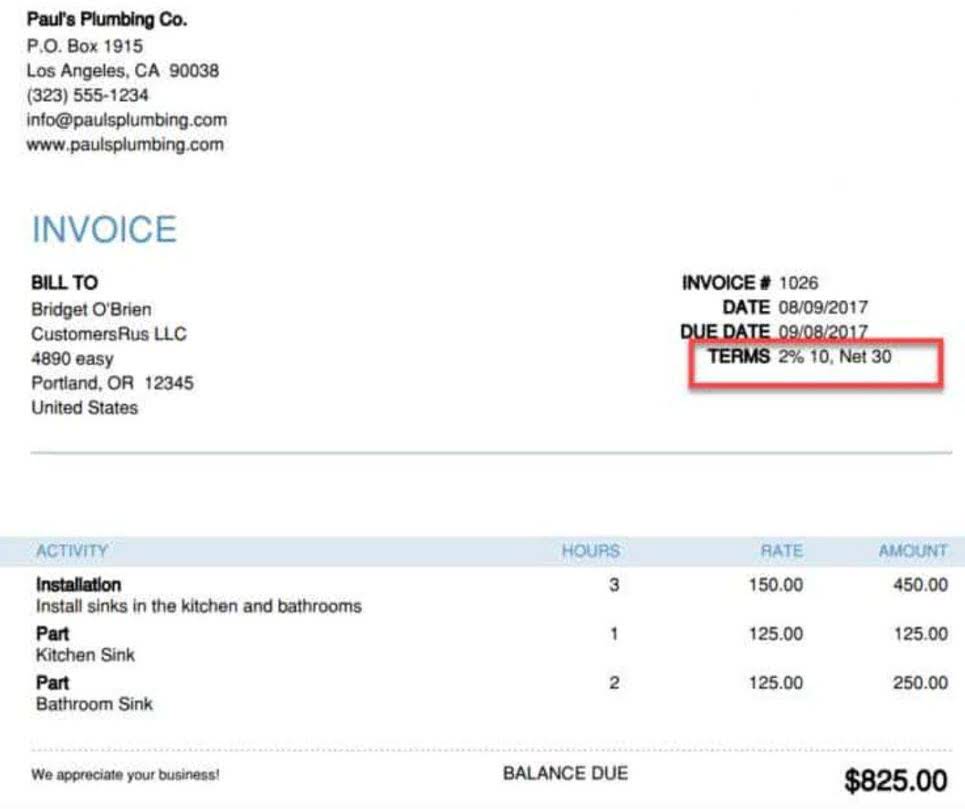
A law firm chart of accounts serves as a comprehensive list of all of a legal practice’s financial accounts. It also provides a framework for recording every financial transaction at the firm. Managing client retainers requires maintaining detailed records of all transactions, including deposits, withdrawals, and interest earned.
Car Purchase Invoices: Financial Management and Considerations

Using pre-configured law firm charts of accounts templates eliminates the need for manual creation. It also allows the customization of accounts to fit each balance sheet firm’s unique needs, ensuring that complex transactions like client trust funds or partner distributions are correctly classified. A Chart of Accounts (COA) is a comprehensive list of all the financial accounts used by an organization or individual to record and categorize financial transactions. It acts as a roadmap for organizing and tracking your income, expenses, assets, and liabilities. For lawyers, this financial roadmap is crucial for managing client funds, maintaining compliance with regulatory bodies, and running a successful legal practice. Accounting forms the backbone of every successful business, and law firms are no exception.